Repair, Reflection, and Moving Forward
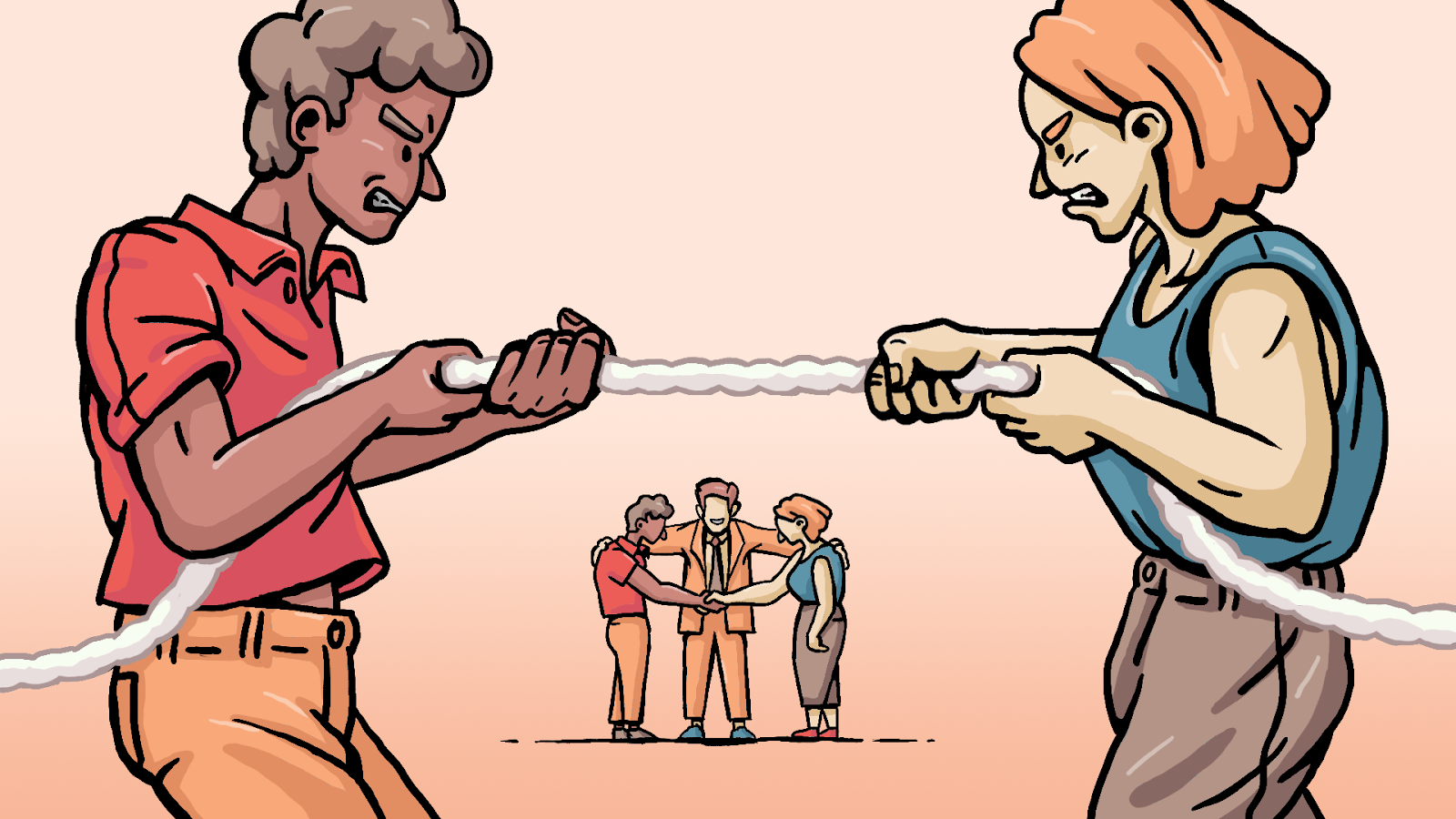
The final section addresses what happens after the hard part: making meaning, rebuilding trust where it frayed, and agreeing how the group will work differently next time. Without this closure, the same patterns tend to repeat.
Purpose: To guide facilitators in helping groups process conflict and strengthen collaboration.
Key Definitions
| Term | Definition |
|---|---|
| Repair | Actions taken to rebuild trust and address the impact of conflict |
| Collective accountability | Shared responsibility for group outcomes and interactions |
| Reflection-in-action | Thinking about and adjusting practice in the moment |
| Feedback loops | Ongoing processes for reflecting, learning, and improving |
Video Resource
Core Ideas
Conflict is not complete until learning has occurred and relationships are strengthened. Repair restores trust, while reflection transforms experience into growth.
Facilitators help groups move forward by ensuring conflict leads to learning, clarity, and improved collaboration, rather than repeated patterns.
Conflict is not a disruption to facilitation—it is the work.
When facilitators guide it with intention, it becomes the pathway to stronger systems, deeper trust, and meaningful, sustained change.
Key Concepts
These principles describe how groups convert difficult episodes into lasting capability. They emphasize that the conversation isn’t finished until trust, clarity, and shared accountability have been addressed—not just the immediate dispute.
- Repair strengthens trust
- Reflection deepens learning
- Closure supports progress
- Conflict fuels improvement
Facilitator Moves
These moves close the loop after conflict: they make learning explicit, document agreements and next steps, and weave norms back into how the group commits to working together going forward.
- Facilitate reflection
- Name growth
- Capture next steps
- Reinforce norms
Self-Reflection
- Do I create space for reflection?
- How do I support repair?
- How do I know the group has grown?
Module Summary
Module 6: Navigating Group Dynamics & Conflict develops facilitators’ capacity to work with tension as part of the job—not as an interruption. The module begins with reading group dynamics as systems: norms, power, psychological safety, and participation patterns that facilitators can notice and shape. It distinguishes productive and unproductive conflict, task and relational tension, and treats emotion as information rather than noise. From there, it reframes conflict as a source of learning through productive tension, cognitive dissonance, and the stance of never letting conflict go to waste. Practical moves—paraphrasing, probing and mediative questions, neutral stance, wait time, and structured dialogue—connect process to trust and thinking quality. The arc closes with reflection, repair, collective accountability, and feedback loops so groups convert difficult moments into stronger collaboration and sustained change.